
Overview
Looking to escape from the rat-race but only have a weekend to spare?
Try Zamami Village! A designated national park and 2-star destination in the Michelin Guide Japan, this small cluster of islands boasts arguably the most beautiful ocean in Japan. Less than an hour from Naha, yet a world apart, leave your school blues behind and enjoy Zamami’s ‘Kerama Blue’ waters. Have fun enjoying the beautiful beaches, world-class scuba diving, whale watching, stargazing, standup paddle boarding, sea kayaking, numerous drinking establishments, and more. Zamami has something for everyone!

Photo by James Paterson
Zamami Village is one of Okinawa’s premier tourist destinations. In the summer, or ‘peak season,’ the island gets busier and livelier but never overcrowded. The visitors include many other foreigners with whom to speak English. From late December to early April, aquatic life follows a set pattern: humpback whale mating season, sea turtle season, coral spawning season, and then sea turtle season again. With coral and turtles to be found just metres offshore, visitors can go down to the beach and snorkel with the wildlife all year ‘round. Furuzamami and Nishibama beaches are particularly stunning.
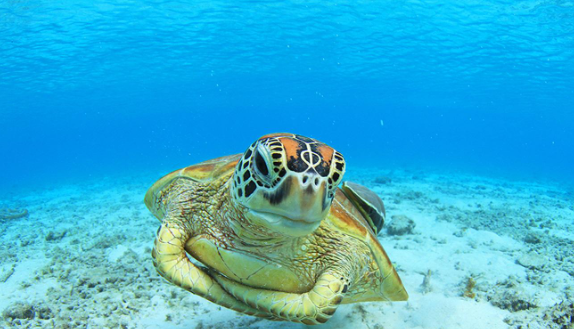

Zamami Village also has whale watching, fishing, scuba diving, sea kayaking and, during low tide, shellfish and octopus hunting. Recently, there has been a boom in standup paddleboarding (SUP) as the calm and pristine waters between Zamami’s various islands provide the perfect venue for the Hawaiian-born sport.
While the islands are most famous for their waters, don’t forget the sky! Early risers can admire the dawn over distant Naha from the Takatsukiyama observation deck. In the evening, enjoy a gorgeous sunset and sweeping views at the Kaminohama or Unajinosachi observation decks, both accessible on foot. On clear nights, watch the stars appear as the sun retreats. The Milky Way is often visible in the summer and autumn.
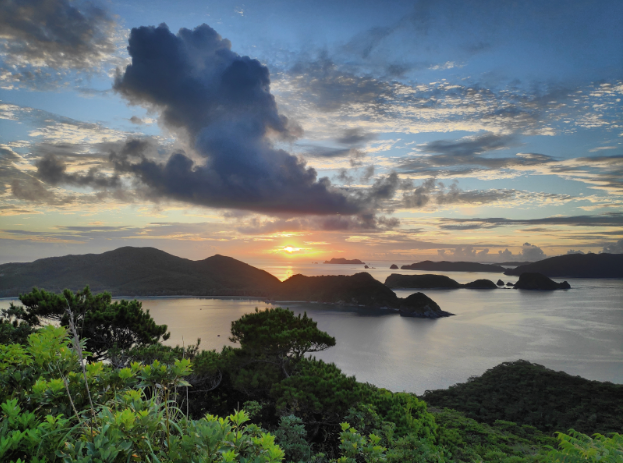

Photos by James Paterson (1) and Emi Nitta (2)
Visitors to Zamami can also learn about the rich local history. The Second World War is still remembered vividly here. As the location of the first landing in the Battle of Okinawa, the Village is replete with historical sites, including monuments and caves.
The Village
Zamami Village comprises over twenty islands, but only three are inhabited. The largest, Zamami Island, has a population of around 600. Aka Island has around 200 inhabitants, while Geruma Island has only 60 or so. There are schools on all three islands.
Zamami Island features the most beaches, shops, restaurants, hotels, diving shops, and rental services. For a more rural atmosphere (and equally stunning beaches), explore Aka Island. From there, you can walk or cycle over the bridge to Geruma Island. Geruma is notable for its quiet and traditionally Okinawan atmosphere. Check out the Takarake, a traditional house surrounded by coral walls, and enjoy the view of Geruma School in its picturesque setting by the ocean.
Connected by another bridge to Geruma Island is Fukaji Island, home to Kerama Airport and an observation deck. Chartered helicopters fly from the airport to Naha in 15 minutes. However, it’s prohibitively expensive most of the time, and is mainly used during emergencies or when the boats are canceled.
Major Annual Events
Mid-April: Beach Opening Ceremony
The Beach Opening Ceremony marks a new year of beach-related activities in Zamami’s clear, warm waters. The event includes an Okinawan prayer for safety at sea and features performances such as traditional Eisa and hula dances. The whole island works together to produce a fun day with delicious fried fish, onigiri rice balls, and zenzai sweet-bean desserts.
Mid-June: Sabani Race
Immediately following the rainy season, the turquoise waters around Zamami serve as the stage for a 36 km race from Furuzamami Beach to Naha Port. After the whistle blows, competitors rush down the shore and take to the sea in Sabani, or traditional Okinawan row boats, equipped with a sail. The sight of dozens of colourful boats leaving the white, sandy beach is not one to be missed. There’s also plenty of fun to be had in the preceding days, with race preparations and a full-scale festival the night before.
July: Yacht Race
The oldest yacht race in Japan draws large sailboats from across the country to Zamami’s warm, summer ocean. Teams vie for victory in an all-out dash from the Ginowan Marina on Okinawa Island to the goal line in Zamami Harbour. Following the race, competitors and spectators take part in an awards party as the organizers present the winners with the ceremonial cup.
Late August: The Zamami Island Festival
Another annual village favourite is the Zamami Festival, by far the largest party of the year. The villagers are the performers, and performances include eisa, hula, traditional Ryukyu dancing, and the local band “Za Mamies.” Spectators can enjoy hot food and cold drinks served by the various stalls at the venue. The festival’s climax comes when fireworks are launched from across the bay, lighting up the night sky and quiet harbour waters.
November: Zamami Fan Appreciation Month
The islanders set aside the entire month of November to show their appreciation for all the visitors who have fallen in love with Zamami. The village comes to life with festivals each weekend, including features from the Zamami Island Festival and a traditional sumo dance.
Late December – Early April: Whale Watching Season
Every year, humpback whales return to Zamami from northern waters to give birth to and raise their children. At 13-15 meters long and weighing around 30 tons, humpback whales are one of the largest mammals on earth. Visitors have the opportunity to see these majestic creatures up close as they dynamically perform, swim, and play in the waters around Zamami.
Late March: Whale Music Festival
The climax of the whale watching season, the music festival is a friendly effort to provide the whales with a musical send off as they return to northern waters. The lively event features famous musicians from Okinawa Prefecture.
Getting to Zamami Village
Zamami has two ferries: the larger Ferry Zamami, and the high-speed Queen Zamami. Both boats leave from the Tomari port in Naha (not to be confused with the Naha port or Shinkou Naha port–remember: “Tomari”!) The Ferry leaves from right in front of the Tomari Port Terminal building, while the Queen leaves from the north side. For the Queen, be sure to navigate towards the “tomari hokugan.”
- Ferry Zamami
- Departing from in front of the Tomari Port Terminal building, the Ferry Zamami is larger and slower. It takes around 2 hours to reach Zamami Island and also stops at Aka Island on the way.
- The Ferry is the cheaper option at ¥4,090. It only makes one crossing per day.
- Queen Zamami
- Departing from the north, or hokugan, side of Tomari Port, the Queen Zamami is the faster of the two ferries at around 50 minutes to an hour and ten minutes (depending on whether it stops at Aka Island before or after Zamami).
- This boat is pricier at ¥6,080. However, the Queen generally makes two crossings per day, increasing to three in the summer months, so you can choose your departure time.
Both ferry schedules are published on the village website 2-3 months in advance. Be aware that boats can get fully booked at busy times of the year, especially the high-speed Queen Zamami. It is therefore recommended to check seating availability and make a reservation. Tickets can be reserved on the website up to two months before your desired date of travel. Online reservations with a foreign credit card are possible but cannot be made more than 23 days in advance.
If you are unable to use the website, please contact the Zamami Village Ticket Office in Tomari Port by phone, fax, or in person. There should be a staff member who can speak enough English to reserve your tickets. If making a phone reservation, please call after 10:00 A.M. Once booked, you will need to make the payment on your day of departure at the ticket office counter. If sending a fax, please be sure to include the dates, times, and names of your desired vessels, number of passengers, representative’s name, and phone number.
Tel. 098-868-4567
Fax. 098-868-0630
An important final note is that the sea can become quite choppy due to typhoons in summer and autumn, and strong northerly winds during winter. The combination of waves and wind can lead to cancellations of the Queen Zamami and even the Ferry in extreme cases. To avoid getting stuck on Zamami, it is recommended to check the waves and wind with the website or app Windy. The captains of the boats decide the final schedule for the day by 8:00AM, so please be sure to check the village website to make sure your ferry is running.
Getting Around Zamami Village
While locals drive their own cars, visitors to Zamami can still explore its beauty fairly easily. Zamami has many options for travel between islands and on land. While there is no taxi service at the moment either on Zamami or on Aka islands, those who wish to explore the popular sites can either catch a bus (for Zamami travel) or rent a scooter or bicycle. For more remote parts, you might have to rent a vehicle. You can ask for more information at the Tourism Office.
- Inter-Island Travel
- In addition to the ferries from Naha, the village runs an inter-island ferry called the Mitsushima between Zamami Island and Aka Island. The Mitsushima costs ¥300 one-way and makes 4-6 trips a day. It can also take you to the neighboring Tokashiki Village for ¥800 one-way if you reserve at least one day in advance. Mitsushima reservations to Tokashiki’s Aharen Port can be made at the ticket office in Zamami Port.
- Bus
- On land, the only public transportation is the Zamami Island village bus. It makes two loops between Furuzamami Beach and the Asa hamlet, or Ama Beach and its campground. Unfortunately, these buses do not go to the various observation decks.
- For a one way trip, the village bus is ¥300. However, many of the rental shops and accommodations run shuttle buses from the port to Furuzamami beach during the summer months.
- There is no village-run bus on Aka Island; however, some of the guest houses run transportation services to the main Nishibama Beach.
- Water Taxis
- If you are keen to experience snorkeling on Zamami`s uninhabited islands, water taxis are your ticket. They can be found in the main port, not far from the Ferry and Queen. A round trip to either of the two smaller islands of Gahi and Agenashiku costs ¥1,500, whereas a return to the larger Amuro Island costs ¥2,500.
- SUP and Kayak Tours
- Gahi and Agenashiku sit right in the middle of a Ramsar Convention, a designated “Wetland of International Importance” (read: ridiculously beautiful and abundant coral ocean). Many of the standup paddleboard and sea kayaking tour companies offer the opportunity to paddle out to one of the uninhabited islands, snorkel, then paddle back. This is a great option for the active adventurer.
- However, DO NOT try to swim to the uninhabited islands as the currents are fast and dangerous.
Restuarants and Nightlife
Zamami Island has great nightlife! Despite being a small outer island, there are many bars, restaurants, and izakayas. Many of the guest houses also serve meals and drinks too. Just pick up an English guide map in the Tourism Office in the port upon arrival. The map features all of the restaurants and establishments on the island, as well as diving services, sea kayaking, guest houses, and more. The local CIR can also help you with any queries.
- For lunch
- At Furuzamami Beach, Sunny Side and Heartland serve good curries, snacks, and drinks all day during the summer (May-October), closing at 5PM.
- If you go to Ama Beach, Jirobe Shoten also offers good options.
- If you prefer to stay near the port, some great places to eat are Nakamuraya (a small outdoor izakaya with great rice bowls, also open for dinner), Wayama Mozuku (mozuku seaweed-infused Okinawa soba) and Sabaidee (for milkshakes, sandwiches and cakes).
- At night
- Most options at night are concentrated in the port area (and more recently in Ama hamlet, with Jirobe Shokudo and 38 Miyahira).
- Some recommendations are La Toquee (great sushi and cuisine made with local ingredients and freshly caught fish), Marumiya (a restaurant with traditional Okinawan dishes at good prices), and Karii (a friendly darts bar popular with the locals).
- Please be aware that if you decide to stay in the remote Asa hamlet on Zamami Island, it is a bit of a walk (around 30 min) to go enjoy bars or izakayas at night.
- Aka Island
- There are several great establishments, including Yoshidaya (a friendly izakaya with great food options and an owner who speaks fluent English) and Guu Guu (a chic café with nice cakes and rice bowls).
- Geruma Island
- Geruma Island is the home of the relatively famous Trattoria Bar Gerumagnon. The owners create delicious Italian meals with 100% local ingredients, most of which come straight from their large garden right next door. The restaurant has been featured on multiple television shows and is by reservation only, so it’s recommended to have someone who can speak Japanese call ahead.
When visiting during the winter months, keep in mind that many places close or limit their hours. That being said, you’ll always be able to find somewhere to eat on Zamami Island. Feel free to visit the Tourism Office for more recommendations.
Accomodations
As Zamami Village is a popular tourist destination, there are many, many accommodations (far too many to mention). From camping to guest houses, there is a range of options. Please note that prices vary depending on factors like style of bed/room, meals, and time of the year. Additionally, many of the guest houses are also diving shops or restaurants and cafés that can bundle your stay and tour. Many accommodations do not use booking platforms such as booking.com, so if you cannot find anywhere to stay, ask the local CIR for help (see below).
As the amount of foreign tourists coming to Zamami has risen over the past decade, the island has grown accustomed to them. Even if you don’t speak Japanese, you should have no problems when visiting.
- Camping
- If you own camping gear, the cheapest option is the beach-side campsite in Ama (Zamami Island), which charges around ¥300 per person per night and includes complementary shower and toilet facilities.
- The campground also rents out various sizes of tents and equipment including sleeping bags, sleeping mats, grills, etc. A 1-person tent costs ¥1000 per night, 2-3 person tents are ¥2000, and 4-5 person tents are ¥2500 per night. The reception is open from 9:00 AM to 5:00 PM.
- Guest Houses
- The cheapest places have private rooms without meals starting as low as ¥3500 per person per night. A couple of establishments also feature dormitory or hostel style beds as low as ¥3000 per person per night. The international guest house Zamamia is particularly popular with foreign visitors, and its owner, Paul, is well-acquainted with the islands.
- Prices go up from there and depend on factors like style of bed/room, meals, and time of year. Many of the guest houses are also diving shops or restaurants and cafés. There are, of course, many independent diving shops, sea kayak tours, standup paddleboard tours, and fishing tours available.
Activities
Apart from walking between the islands’ observation decks, or just chilling at the beach, you can also enjoy marine activities. It is highly recommended to make a reservation for these activities before getting to the islands.
- Kayak and/or Stand Up Paddle (SUP)
- As it is not possible to just rent a kayak or a paddle, you will need to go on a tour if you want to enjoy this activity. Usually, tours last for 3 hours and include a bit of snorkeling. Prices are around ¥8,000 per person.
- Different shops are available: Drifter, Kerama Kayak Center, Noah, Natureland Kayaks…
- Snorkeling and Diving
- Snorkeling masks and fins are readily available to rent in town and at the main beaches.
- Very few places offer just snorkeling tours, but you can check out Toiro or Wayama.
- For diving, the island’s shops offer discovery tours for those who do not have a diving license, or fun diving tours for those that do have one. Although there are a large number of diving shops on the islands, for safety reasons, some do not take guests that cannot speak Japanese. Places you can check out if you do not speak Japanese include Toiro, Zamami Sailing, Joy Joy, No-Y and Seasir (Aka Island).
- Planetarium
- There is a small planetarium on Zamami Island where you can watch short programmes about Zamani’s starry night sky. Screenings happen twice a day at 11 AM. and 2 PM. A ticket costs ¥500 per person. Unfortunately, the programme is only offered in Japanese at the moment. More information is available at the Tourism Office.
Further Information
If you have any questions before coming, you can contact the CIR at the Tourism Office by calling 098-987-2277, or by sending an email to contact_zamami@vill.zamami.okinawa.jp. So grab your towel and sunscreen, leave urban life behind, and come enjoy one of the most beautiful places in Japan!
Village Website (for daily ferry schedule)
Image Credit: 1, 2
 Okijets
Leave a comment